Storage Method Comparisons

Explore detailed side-by-side comparisons of the most effective winter tire storage methods. High-resolution photos, pros and cons, and expert recommendations help you choose the perfect approach for your garage.

Method 1

Hanging / Wall Hooks

Wall-mounted hooks and brackets are the ultimate space-saving solution for winter tire storage. By lifting tires off the floor, you reclaim valuable garage space while keeping tires organized, accessible, and properly supported. This method is particularly effective for tires mounted on rims, where the hook supports the rim rather than the rubber.

Pros

  • Maximum floor space savings
  • Easy visual inspection
  • Excellent airflow around tires
  • No flat-spotting risk
  • Affordable installation

Cons

  • Requires sturdy wall studs
  • Lifting tires overhead can be heavy
  • Best only for tires on rims
  • Wall damage potential
9.2/10

Expert Rating

Best for small garages with strong walls

wall mounted tire hooks holding four winter tires vertically in organized garage with clear floor space
close-up of heavy duty steel wall hook supporting winter tire on rim side view of wall mounted tire storage showing spacing between tires for airflow
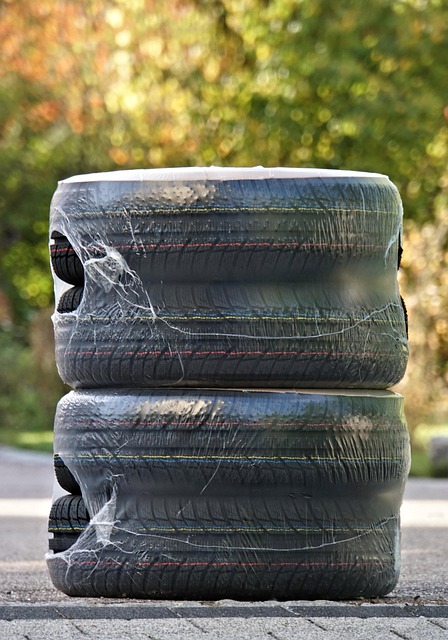
four winter tires stacked horizontally on garage floor with cardboard separator between each tire
close-up of tire stacking showing proper alignment and cardboard protection layers stacked winter tires covered with protective tire bags in garage corner
Method 2

Horizontal Stacking

Stacking tires horizontally is the simplest and most accessible storage method. It requires no special equipment or installation — just a flat, clean surface. This method works best for tires that are already mounted on rims. Place cardboard or foam separators between each tire to prevent scuffing. Rotate the stack quarterly to prevent the bottom tire from bearing excessive weight for too long.

Pros

  • No installation needed
  • Zero cost to implement
  • Works with or without rims
  • Easy to cover with bags
  • Stable on flat surfaces

Cons

  • Uses floor space
  • Bottom tire bears most weight
  • Requires periodic rotation
  • Can collect dust underneath
7.8/10

Expert Rating

Best for beginners with available floor space

Method 3

Shelving & Rack Systems

Freestanding tire racks and shelving units offer the best balance of organization, accessibility, and tire protection. Purpose-built tire racks support tires at the correct angle, distribute weight evenly, and allow full airflow. Multi-tier rack systems can hold up to eight tires while keeping the footprint compact. Shelving units also allow you to store tire care supplies, bags, and labels alongside your tires.

Pros

  • Professional organization
  • Even weight distribution
  • Holds 4-8 tires per unit
  • No wall mounting needed
  • Portable and repositionable

Cons

  • Higher upfront cost
  • Requires assembly
  • Takes floor space
  • Bulky when not in use
9.5/10

Expert Rating

Best overall for serious tire storage

professional freestanding tire rack holding four winter tires with labeled bags in organized garage
multi-tier tire shelving unit displaying eight winter tires with care supplies close-up of adjustable tire rack brackets showing proper tire support angle
Quick Comparison

Side-by-Side Comparison

A quick reference table to help you decide which storage method fits your garage, budget, and tire setup.

Feature Hanging Stacking Shelving
Floor Space Used None High Medium
Cost $30–$80 $0–$15 $60–$200
Installation Needed Wall drilling None Assembly
Best For Tires on rims Any tires Any tires
Tire Protection
Expert Rating 9.2 / 10 7.8 / 10 9.5 / 10

Plan Your Perfect Storage Layout

Use our interactive Space Planner to visualize exactly how your chosen storage method will fit in your garage.